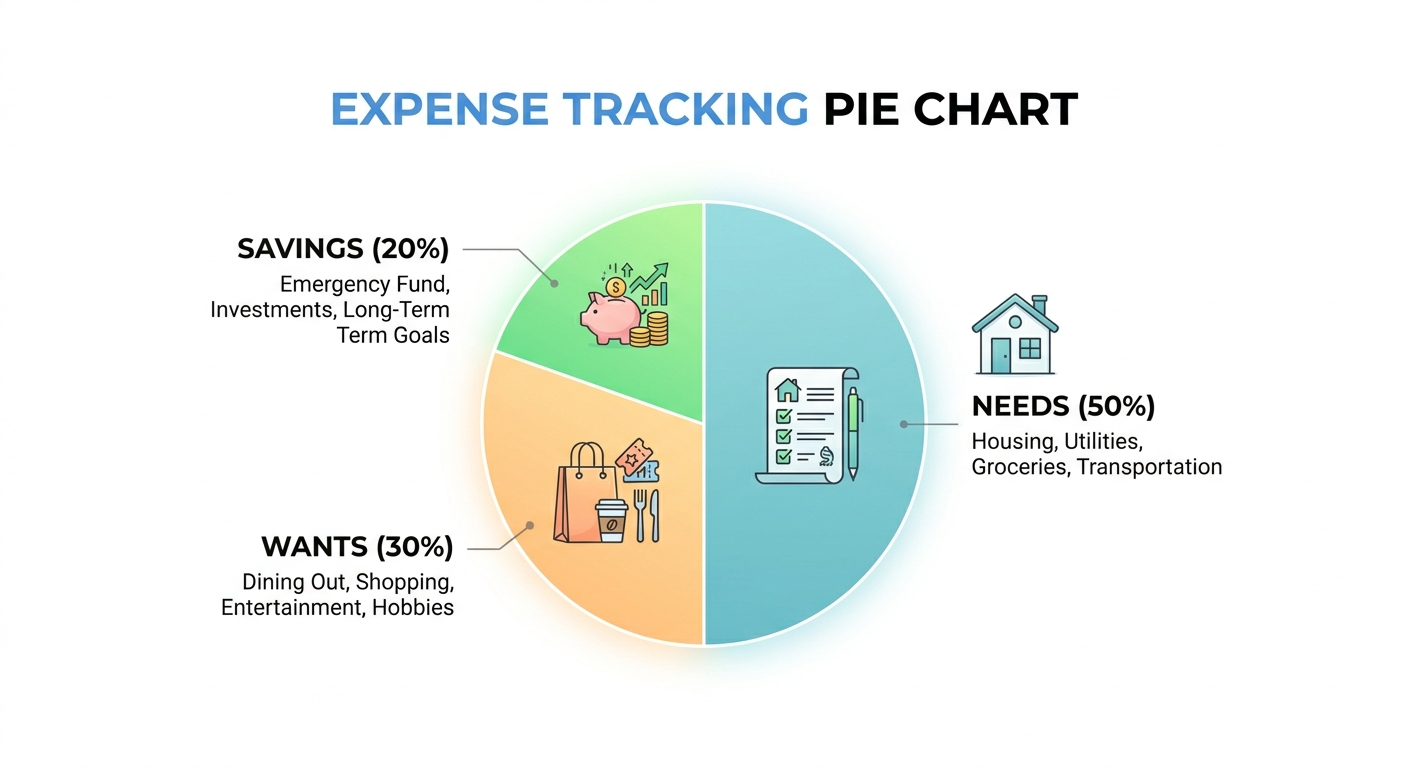
Managing monthly expenses is a significant challenge for most individuals today. Regardless of your income level, if you spending is not kept in check, saving money becomes an uphill task.
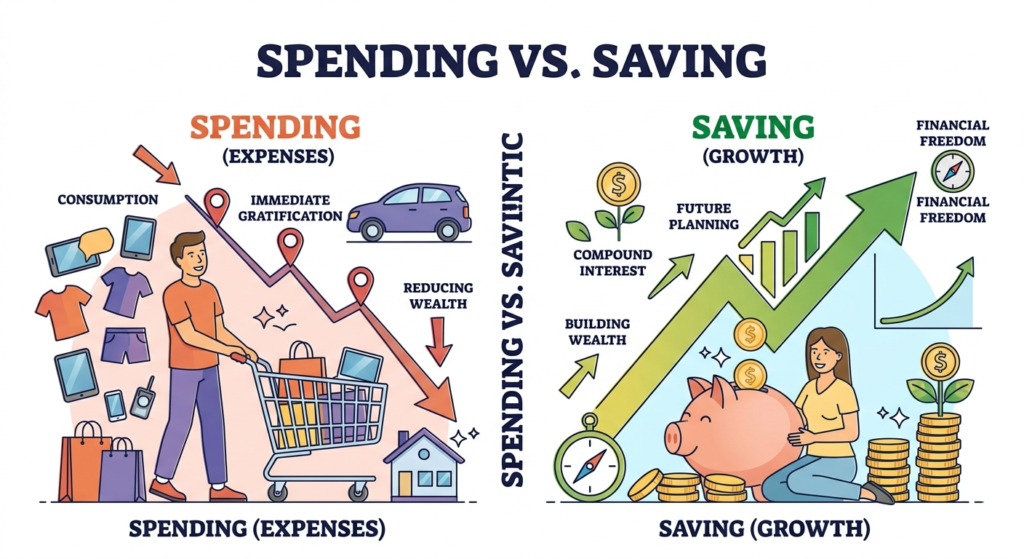
Many people believe their income is insufficient, but the real issue is a often uncontrolled spending. The good news is that by implementing a few smart adjustments, you can cut down your monthly costs and save more effectively without making major sacrifices to your lifestyle.
In this guide, you will discover simple and practical strategies to reduce your monthly expenditures and gain better control over your personal finances.
Why Reducing Expenses is Importants
Before increasing your income, it is important to control your expenses.
Reducing expenses help you:
- Save more money every month
- Avoid financial stress
- Build an emergency fund
- Improve financial stability
- Achieve your financial goals faster
Even small reduction in expenses can make a big difference over time.
Smart Ways to Reduce Monthly Expenses
1. Track All Your Expenses
The first step is awareness.
You need to know:
- Where your money is going
- Which areas are costing you more
- What expenses are unnecessary
Use:
- Notebook
- Expenses tracking apps
- Excel sheet
Tracking help you identify wasteful spending.
2. Create a Monthly Budget
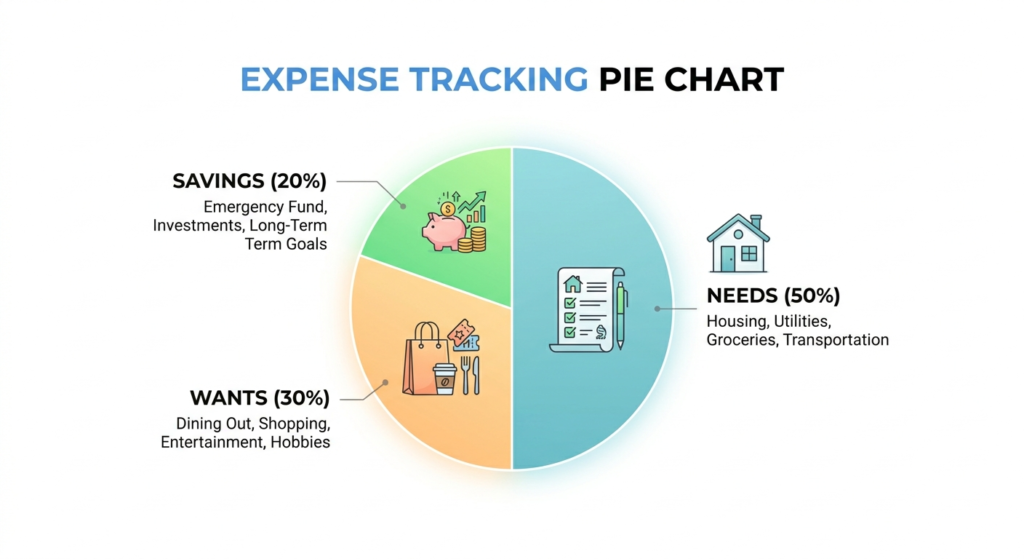
Ek budget gives direction to your money.
Follow a simple structure:
- Needs
- Wants
- Savings
When you plan your money, you avoid overspending.
3. Cut Unnecessary Subscriptions
Many people pay for subscriptions they don’t even use.
Example:
- Streaming services
- Apps
- Online memberships
Cancel what you don’t need.
4. Reduce Food and Dining costs
Food expenses can take a large part of your budget.
Simple ways to save:
- Cook at home more often
- Reduce food delivery
- Plan your meals
Small changes can save a lot.
5. Avoid Impulse Purchases
Impulse buying increase expenses quickly.
Before buying:
- Wait 24 hours
- Think if is really needed
This habit can reduce unnecessary spending.
6. Save on Utility Bills
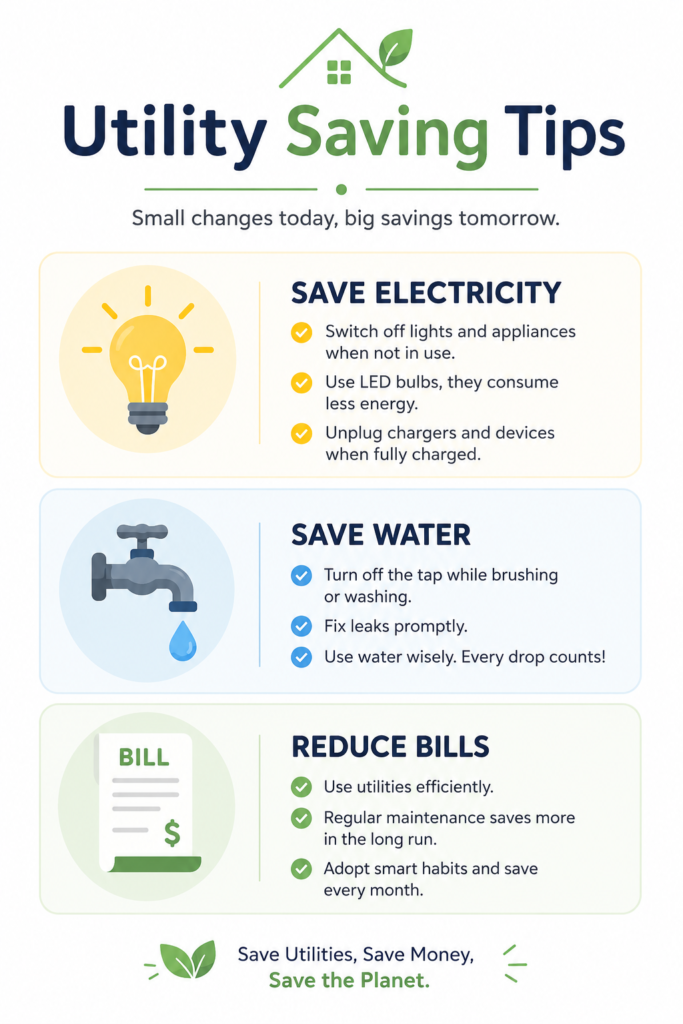
You can lower your monthly bills with simple habits.
Examples:
- Turn off lights when not needed
- Use energy-efficient appliances
- Save water
This reduces electricity and water bills.
7. Use Public Transport or Share Rides
Transportation can be expensive.
Try:
- Public transport
- Carpooling
- Walking for short distances
This help reduce fuel and travel costs.
8. Set Spending Limits
Decide how much you will spend in each category.
Examples:
- Food budget
- Shopping limit
- Entertainment budget
Limits create discipline.
Spending Limits
9. Pay Bill on Time
Late payments lead to extra Charges.
Always:
- Pay bills on time
- Avoid penalties
- Maintain good financial habits
10. Focus on Needs, Not Wants
Once of the best ways to reduce expenses is to understand the difference between needs and wants.
- Needs: Essential (food, rent, bills)
- Wants: Optional (shopping, luxury, items)
Prioritize needs first.
Common Mistakes to Avoid
Avoid these mistakes while reducing expenses:
- Not tracking spending
- Ignoring small expenses
- Cutting essentials instead of waste
- Not having a budget
- Being inconsistent
Final Thoughts
Start with small changes, stay consistent, and review your progress every month. Over time, these habits will help you save more and live a financially secure life.