Introduction
Managing money on low income can feel stressful and overwhelming. When expenses are high and income is limited saving money may seem almost impossible. But the truth is, with the right strategy and discipline, you can take control of your finances-even with a small income.
In this guide, you’ll learn simple and practical ways to manage your money, reduce expenses, and build better financial habits step by step.
1.Understand Your Income and Expenses
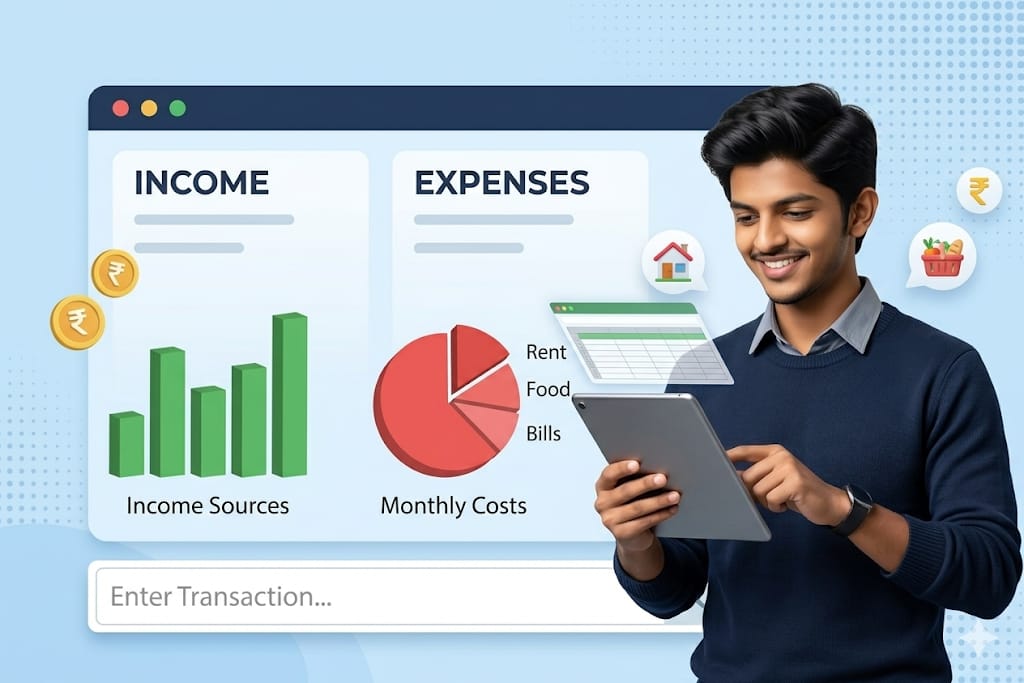
The first step in managing money is knowing exectly how much you earn and spend.
Star by writing down:
- Your monthly income
- Fixed expenses (rent, bills, EMI)
- Variable expenses (food, travel, shopping)
This will help you clearly see where you money going.
👉 Tip: Use a notebook or a simple mobile notes app to track daily sending.
2.Create a Simple Monthly Budget
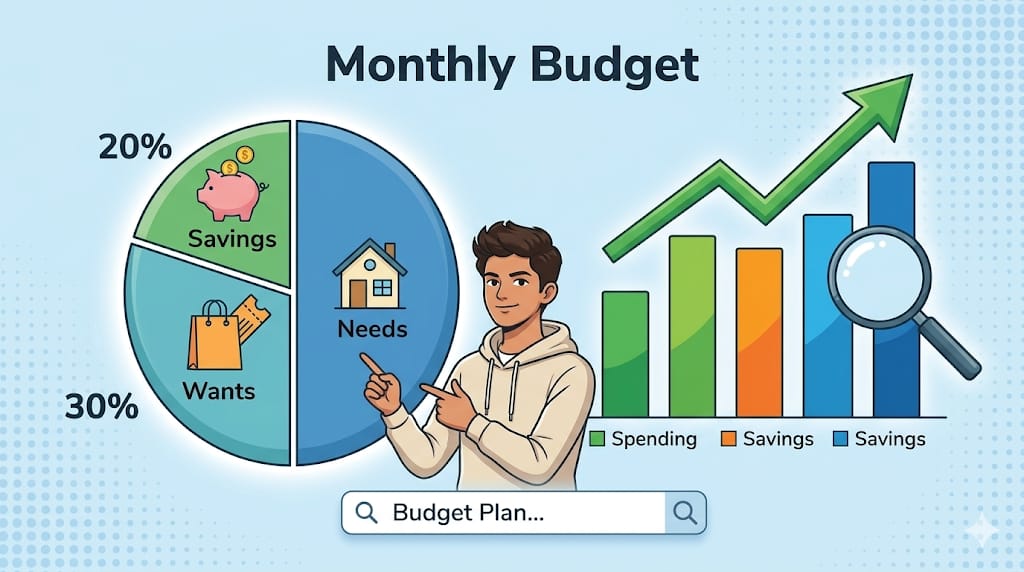
A budget is your financial roadmap. Without it, money slips away unnoticed.
A simple rule you can follow:
- 50% – Needs (rent, food, bills)
- 30% – Wants (shopping, entertainment)
- 20% – Savings
If your income is vary low, adjust it like:
- 70% Needs
- 20% Wants
- 10% Savings
The goal is not perfection, but control.
3. Focus on Essential Expenses Only
When income is limited, you must prioritize needs over wants.
Essentials include:
- Food
- Rent
- Electricity
- Basic travel
Avoid or limit:
- Online shopping
- Eating out frequently
- Unnecessary subscriptions
Small cuts in spending can make a big difference over time.
4. Reduce Monthly Expenses Smartly
You don’t need to suffer-you just need to spend smartly.
Here are some practical ways:
- cook at home instead of ordering food
- Use public transport when possible
- Buy only what you need
- Compare prices before purchasing
Even saving some daily can become a big amount monthly.
5. Start Saving Even in Smart Amounts
Many people think saving is only for those with high income. That’s not true.
Start small:
- Save some daily
- Or 5-10% of your income
Consistency matters more than amount.
Over time, this builds a strong habit and financial safety.
6. Build an Emergency Fund
life is unpredictable. Medical issues, job loss, or sudden expenses can happen anytime.
That’s why you need an emergency fund.
Start with a small goal:
- 100$ – then 150$ – then 1 month expenses
Keep this money separate and use it only in emergencies
7. Avoid Unnecessary Dedt
Taking loans or using credit card without planning can make your situations worse.
Avoid:
- Borrowing for non-essential things.
- High-interest loans
- Spending money you don’t have
If you already have Dedt, focus on paying it off slowly and consistently
8. Increase Your Income (If Possible)
Saving in important, but increasing income is even more powerful.
Simple ways to earn extra:
- Freelancing
- Part-time work
- Online small tasks
Even a small side income can improve your financial condition.
9. Track Your Progress Regularly
Check your budget weekly or monthly.
Ask yourself:
- Am I overspending?
- Am I saving something?
- Where can I improve?
This habit keeps you disciplined and focused.
10. Build Long-Term Money Habits
Money management is not a one-time task — it’s a lifestyle.
Good habits to follow:
- Spend wisely
- Save regularly
- Avoid waste
- Plan ahead
Over time, these habits will completely change your financial life.
Conclusion
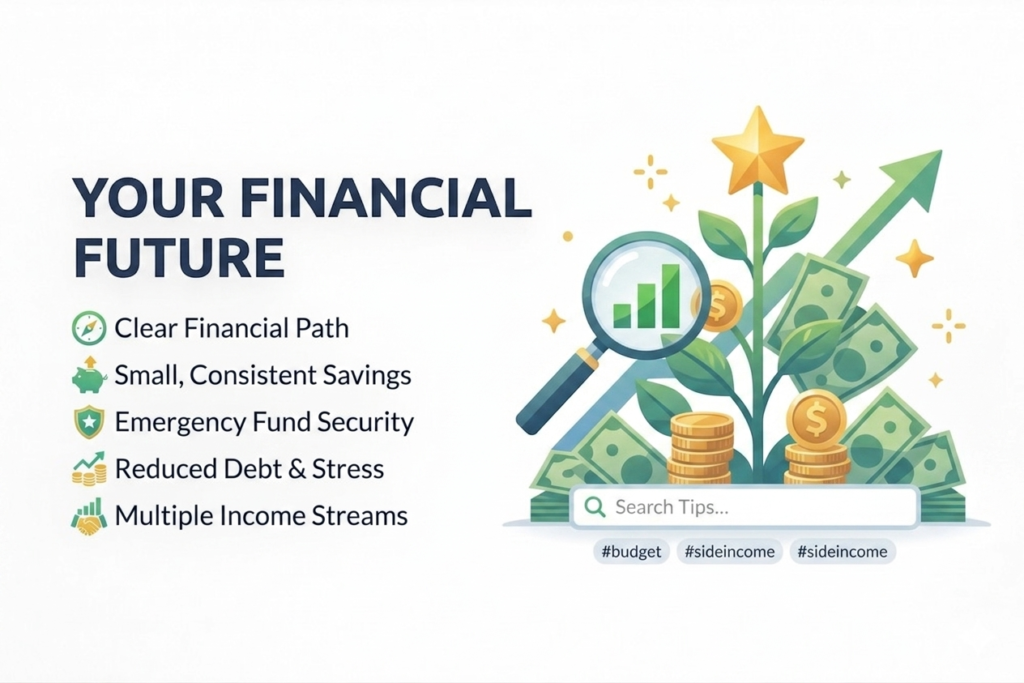
Managing money on a low income is not easy, but it is absolutely possible. You don’t need a high salary to be financially stable – you just need the right approach.
Start with small steps:
- Track your expenses
- Create a budget
- Save little by little
With consistency and discipline, you can improve your financial situation and build a secure future.