
Banking is an essential pillar of our Delhi financial lives, yet millions of people unknowingly lose a portion of their hard-earned income every month to unnecessary bank charges. While fees-ranging from maintanence costs to ATM penalties-might seem like small, insignificant amount at first, they compound over time into a substantial financial drain.
What are Bank Charges?
Bank charges are service fees automatically educated by financial institutions for the administration and use of various banking facilities. Dahej coast generally fall into categories such as account maintainance, transaction processing, ATM usage, or penalties for non compliance with bank rules.
Common bank charges often include:
- Monthly maintenance fees: Charges for keeping the amount active.
- ATM withdrawal fees: Costs incurred for using out-of-network or frequent ATM services.
- Minimum balance penalties: Fees try grade when your amount balance account balance drop blue a specific limit.
- Late payment & overdraft fees: Charges for delayed credit card payments or spending more than your available balance.
- Transaction service charges: Fees for wire transfers or processing specific types of payment.
Gaining a clear understanding of these “hidden costs” is the essential first step toward taking full control of your finances.
Why You Should Avoid Bank Charges
Actively minimuzing or eliminating these fees allows you to:
- Maximize you monthly savings: Keep every dollar of your interest and income.
- Optimize account management: Run your finances more efficiently without unexpected deduction.
- Reduce financial stress: Eliminate the fractions of seeing “mystery” charges on your bank statement.
- Developer disciplined financial habits: Cultivate a more mindful approach to how you handle your money.
Even the smallest savings when accumulated consistently, can grow into a significant financial cushion over time.

Smart Ways to Avoid Bank Charges
1. Maintain Minimum Balance
Many banks require a minimum balance in your account.
If you fail to maintain it:
- You may be changed a penalty
Tip:
- Always keep a small buffer amount in your account
2. Choose the Right Bank Account
Different bank accounts have different fee structures.
Before opening an account:
- Compare charges
- Check benefits
- Choose a low-fee orzero-balance account
3. Use ATMs Smartly
Banks often limit free ATM withdrawal
To avoid charges:
- Use your bank’s ATM
- Stay within free transaction limits
4. Avoid Unnecessary Transactions
Frequent transactions can sometimes lead to extra charges.
Reduce:
- Unnecessary fund transfers
- Repeated small withdrawal
5. Enable Online Banking
Online banking is useful cheaper and more convenient
Benefits:
- Lower transaction fees
- Easy account monitoring
- Better control over money
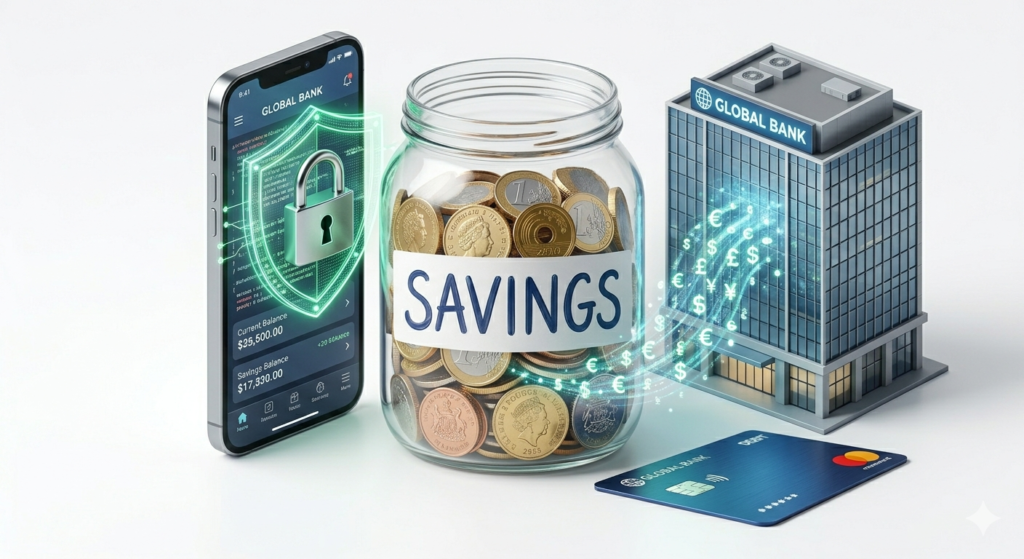
6. Check Your Bank Statements Regularly
Many people don’t notice small charges.
Make it a habit:
- Review your statements monthly
- Identify unwanted charges
- Take action quickly
7. Avoid Late Payments
Late payments can result in penalties.
Always:
- Pay EMIs on time
- Clear credit card bills before the due date
8. Link SMS and Email Alerts
Alerts help you stay updated about your account.
You can:
- Track transactions
- Avoid missed payments
- Detect unusual activity
9. Use Auto-Pay Carefully
Auto-pay can help avoid late fees, but only if managed properly.
Ensure:
- Enough balance in your account
- Corrent billing dates
10. Contact Your Bank When Needed
If you are charged unfairly, you can contact your bank.
Sometime:
- Banks reverse charges
- Offer better account options
Common Mistakes to Avoid
Avoid these mistakes:
- Ignoring minimum balance rules
- Not checking bank statements
- Using multiply ATMs unnecessarily
- Missing payment deadlines
- Choosing the wrong account type
Conclusion
Bank charges may seem small but they can quietly reduce your savings over time. By understanding how these fees work and following simple habits, you can avoid most of them.