Managing your monthly finances is one of the biggest challenge for newcomers. Many people on a good income but still struggle with financial constraints because they don’t have a proper plan for their expenses and savings.
Do you find that your salary is gone before the month ends? Or are you unable to save despite your best efforts? If so, creating a monthly budget can completely transform your financial life.In this guide, we’ll teach you a simple and practical “monthly budget plan” that anyone can follow. Even if you’ve never done money management before, this step-by-step approach will help you gain complete control over your money and build a better future.
What is Monthly Budget?
In short, a monthly budget is a plan for how to spend your money. It shows you how much money you made (income) and how much you spent (expenses) in a month.Making a budget isn’t just about keeping track of your money; it’s also about deciding where it goes.
Don’t forget:
Making a budget doesn’t mean you can’t spend your money how you want. It just means you tell your money what to do instead of wondering where it all went at the end of the month.
A well-planned budget allows you to:
- Control your spending
- Save money regularly
- Avoid unnecessary debt
- Plan your future better
Why is Budget Planning Important?
without a budget, it becomes very easy to overspend and lose control over finances. Many people face financial stress not because they earn less, but because they don’t manage their money properly.
Here are some key reason why budgeting is important:
- It helps your understand your spending habits
- It prevents unnecessary expenses
- It allows your to save consistently
- It reduces financial stress and anxiety
- It helps you achieve your financial goals faster
When you start budgeting, you become more aware of your money and that awareness is the first step towards financial stability.
Step-by-Step Monthly Budget Plan for Beginners
Creating a budget does not have to be complicated. Follow these simple steps to build your first monthly budget.
1. Calculate Your Total Monthly Income
The best step is to know exactly how much money you earn every month.
Include all sources of income such as:
- Salary
- Freelance work
- Side income
- Business income
Always use your actual take-home income (after tax) for better accuracy.
2. List All Your Expenses Clearly
Now, write down all your monthly expenses. This step is very important because it shows where your money is going.
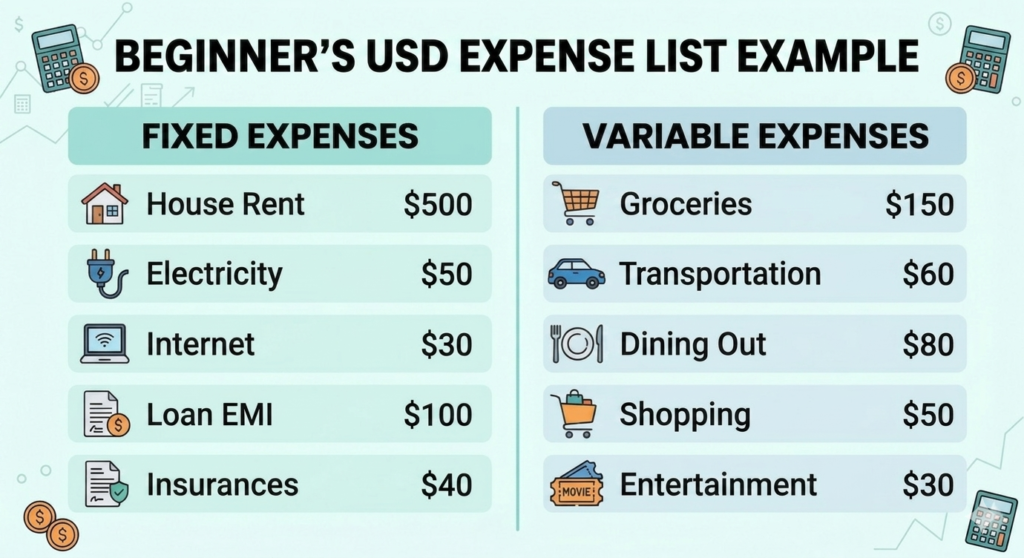
Divide your expenses into two categories:
Fixed Expenses:
- House rent
- Electricity bill
- Internet bill
- Loan EMI
Variable Expenses:
- Food and groceries
- Transportation
- Shopping
- Entertainment
This will give you a clear picture of your spending pattern.
3. Use the 50/30/20 Budget Rule
One of the simplest and most effective budgeting methods for beginners is the 50/30/20 rule.
- 50% of your income – Needs (essentials expenses)
- 30% – Want (lifestyle and entertainment)
- 20% – Savings
This method helps you maintain a balance between spending and saving.
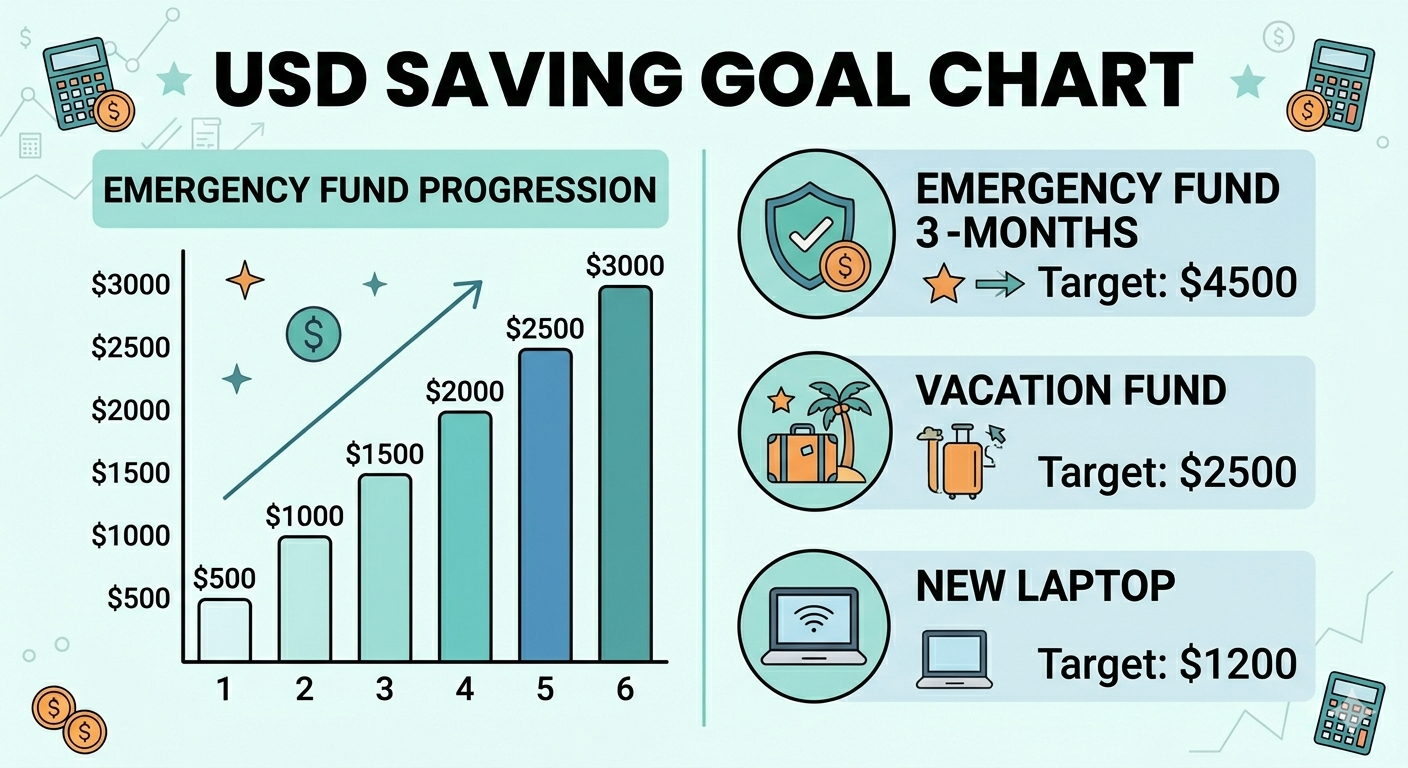
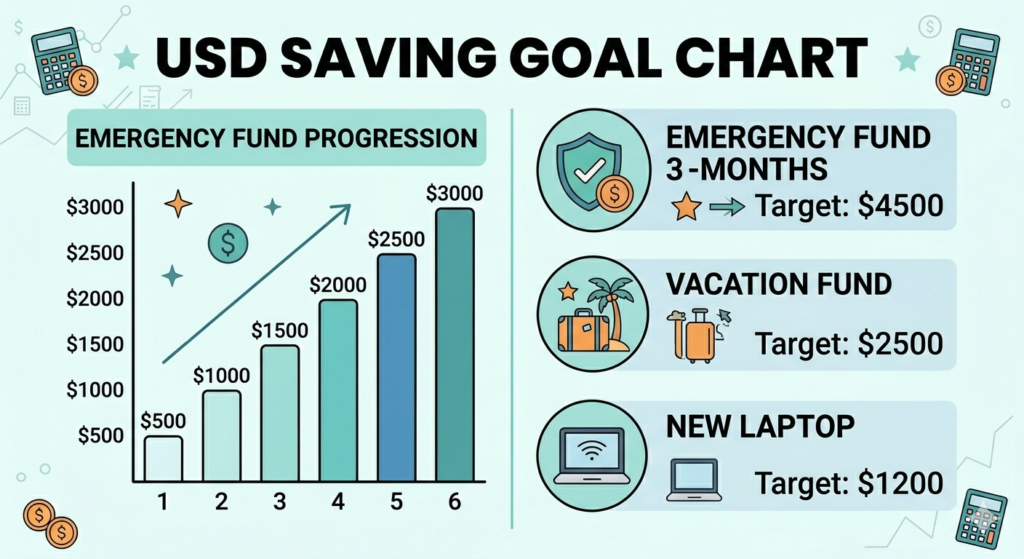
4. Set Clear Saving Goals
Saving money should always be a priority in your budget.
Start with small and realistic goals such as:
- Building an emergency fund
- Saving for future expenses
- Creating a backup for unexpected situations
Even saving a small percentage every month can make a big difference over time.
5. Track Your Daily Spending
Tracking your daily expenses is one of the most powerful habits for managing money.
You can track your spending using:
- A notebook
- Mobile apps
- Excel sheets
When you track your expenses daily, you will become more aware and avoid unnecessary spending.
6. Reduce Unnecessary Expenses
After tracking your spending, you will notice areas where you are wasting money.
Common examples include:
- Subscriptions you don’t use
- Frequent online shopping
- Eating out too often
Cutting down on these small expenses can help you save a significant amount every month.
7. Review and Improve Your Budget Every Month
Budgeting is not a one-time task. It is a continuous process.
At the end each month:
- Check your expenses
- Compare your budget vs actual spending
- Identify mistake
- Improve your plan for the month
consistency is the key to successful budgeting.
Common Budgeting Mistakes to Avoid
Many beginners make small mistakes that can affect their budgeting success.
Avoid these common mistakes:
- Not tracking expenses regularly
- Setting unrealistic saving goals
- Ignoring small daily expenses
- Not reviewing the budget monthly
By avoiding there is mistakes, you can make your budgeting system more effective.
Conclusion
Mastering a monthly budget is a fundamental step toward financial freedom. It shifts the power back into your hands, allowing you to direct your money toward a more secure and intentional future. By starting small and staying consistent, budgeting becomes an effortless habit that improve lasting clarity and peace of mind. Start today, and take the best step toward transforming your financial life.